
If you’re wondering when should you stop reading to your child, you’re not alone. I used to think I knew the answer.
As a certified teacher and tutor—and now a mom of two young children learning to read—I assumed read-alouds were an early childhood tool. Something you do in preschool and maybe carry through kindergarten, then slowly phase out once independent reading begins.
I was wrong.
I Thought Read-Alouds Were Temporary
Like many parents, I believed that once a child could decode words on their own, read-alouds had served their purpose. It seemed logical: if they can read, why keep reading to them?
But that thinking misses something important—reading ability and comprehension ability are not the same thing.
The Key Insight Most Parents Don’t Know
Children can understand far more complex language than they can independently read. That gap doesn’t close in kindergarten. In fact, it often lasts for years.
Reading researcher Jim Trelease explains it simply:
“The single most important activity for building knowledge required for eventual success in reading is reading aloud to children.” (Trelease, The Read-Aloud Handbook)
And literacy expert Dr. Molly Ness adds:
“Read-alouds expose children to vocabulary and syntax they are not yet able to access on their own.” (Ness, Every Minute Matters)
That means stopping read-alouds too early can actually limit exposure to richer language and deeper thinking.
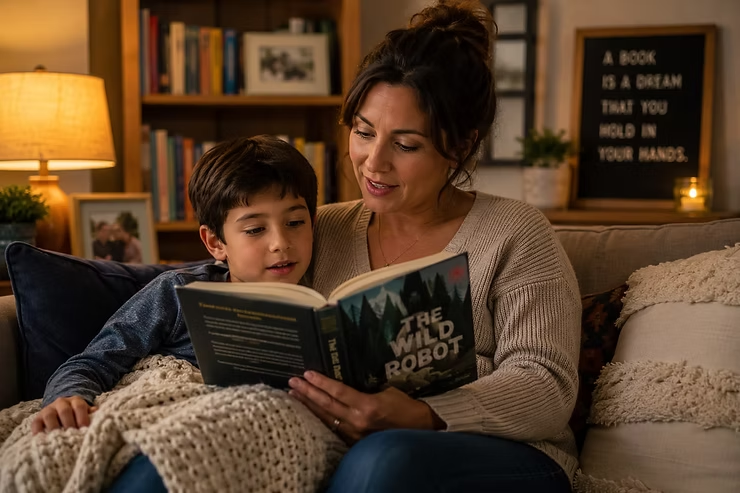
So… When Should You Stop Reading to Your Child?
The better question is: why stop if they’re still benefiting?
Most children continue gaining:
- stronger vocabulary
- better comprehension
- improved critical thinking
- deeper engagement with books
well beyond early elementary years.
What This Looks Like in Real Life
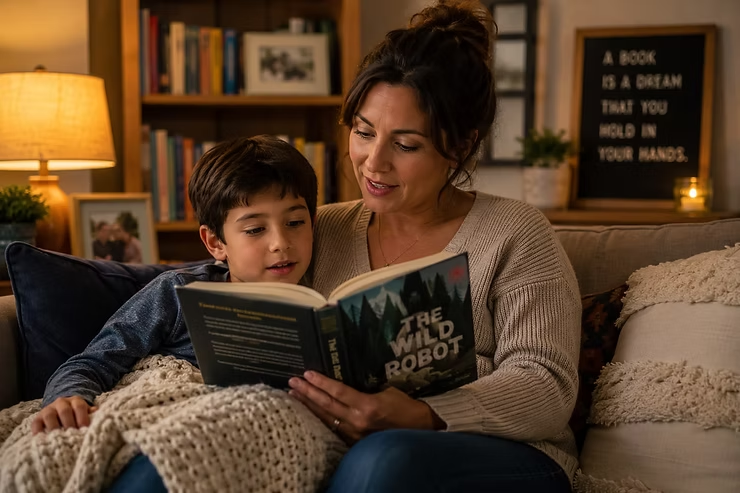
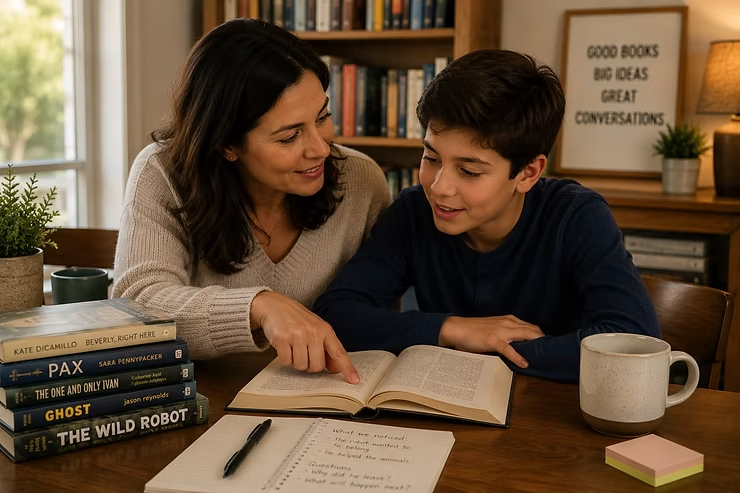
In my own home, read-alouds haven’t disappeared simply because my children started to read on their own. Instead, they evolved. And as they get older, we will continue to read chapter books together, pause for discussion, and explore ideas they wouldn’t pick up in independent reading alone.
It has become less about teaching reading—and more about building thinking.
A Simple Truth
Independent reading and read-alouds are not competing strategies. They support each other.
Final Thought
So when should you stop reading to your child?
Not when they can read.
Not in kindergarten.
And often, not even in elementary school.
You stop only when shared reading no longer adds value—and for most families, that point is much later than expected.
If you’re unsure whether your child is truly growing as a reader or just getting by, that’s exactly where targeted support can make a difference. At Unboggle Learning, we help families strengthen reading comprehension and build confident, capable readers through personalized tutoring.
Contact us today for a free, personalized consultation on how we can best support your learner or answer any questions you may have about your child’s learning journey.

Andranise Thomas, M.Ed. is an educator, learning specialist, and the founder of Unboggle Learning. Dedicated to empowering students and partnering with parents, she provides tailored, one-on-one academic support designed to help every child thrive and reach their full potential.